Home › Asphalt Resurfacing & Overlays
Reliable, professional asphalt resurfacing in Lubbock, TX from Precision Asphalt Lubbock. Contact us today for a free on-site estimate.
Precision Asphalt Lubbock provides professional asphalt resurfacing throughout Lubbock, TX, Texas and the surrounding area. Our licensed, insured crew delivers safe, clean, on-time work with a free estimate before anything begins. Call (806) 230-5982 or request your free quote.
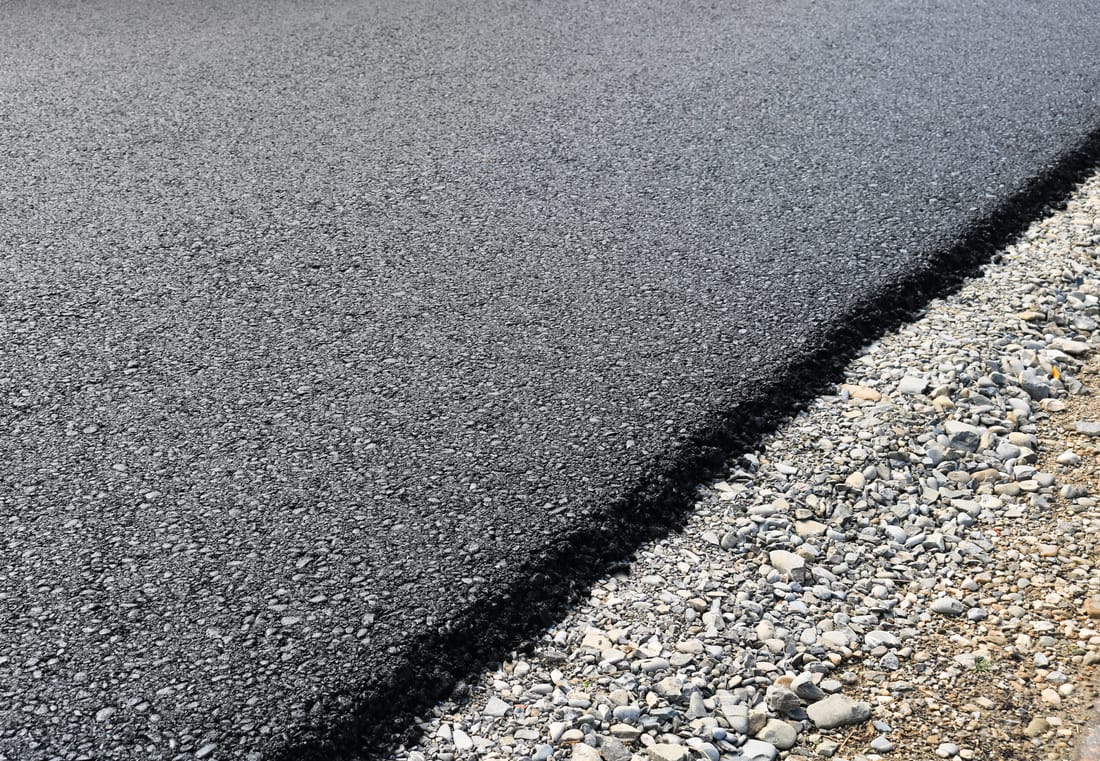
Asphalt Resurfacing & Overlays in Lubbock, TX
Many driveways and parking lots around Lubbock are not failing from the ground up, they are just worn on the surface. Asphalt resurfacing and overlays let you restore a tired, cracked, or faded pavement without paying for a full tear out and replacement. At Precision Asphalt Lubbock, we specialize in evaluating whether your existing asphalt can be saved and then installing a new, durable riding surface on top.
In our area, driveways in neighborhoods like Tech Terrace and Melonie Park, and commercial lots along 50th, 82nd, and the Loop, often reach 15 to 25 years of age before owners start to see raveling, surface cracks, and standing water. These conditions are often perfect candidates for resurfacing. We focus on fixing the underlying problems first, then adding a new asphalt layer that is thick enough and compacted correctly to handle West Texas temperature swings, UV exposure, and heavy pickups.
When you call Precision Asphalt Lubbock, we do not automatically recommend resurfacing. We inspect the base, drainage, and structure of your pavement to confirm that an overlay will last. If the base or subgrade is failing, we show you where, explain what it would take to fix it, and only resurface once the foundation is right.
How We Evaluate Whether Resurfacing Is Right for You
Resurfacing is not the right solution for every lot or driveway. The first step is a site visit. We walk the pavement with you and look for specific signs that tell us if an overlay will hold up. These include the pattern of cracking, how the surface reacts when we drive or turn on it, and whether there is movement or pumping when heavy vehicles roll over.
In Lubbock, a lot of older pavements were built over caliche or clay soils that shrink and swell with moisture. We look closely at low spots that collect water, wheel paths where semi trucks or heavy farm equipment sit, and transitions to alleys or streets. Alligator cracking that is localized in small areas can often be milled out and patched before resurfacing. Alligator cracking over wide areas usually means the base is failing, so we will recommend partial or full reconstruction instead of just an overlay.
We also check drainage very carefully. Many commercial lots along major roads were built relatively flat, which can create birdbaths and standing water. If we simply pave over those depressions, the new surface will still hold water and will fail faster during freeze and thaw cycles. Our team uses straightedges and lasers to see where water is going, then we design corrections, such as profile milling or building up low areas, so the resurfaced pavement drains correctly.
Step by Step: Our Asphalt Resurfacing & Overlay Process
Once we know resurfacing is the right approach, Precision Asphalt Lubbock follows a structured process designed for West Texas conditions.
1. Surface cleaning and preparation. We start with power sweeping and, where needed, high pressure air or water to remove dirt, sand, and windblown debris that are common here. Oil spots are treated or removed so they do not cause slippage between layers.
2. Milling and edge work. For many Lubbock driveways and commercial lots, we recommend edge milling along concrete gutters, sidewalks, and entrances. This prevents creating a raised lip at the transitions and keeps water from being trapped. Where rutting or birdbaths exist, we may profile mill those areas to reestablish the correct slope.
3. Structural patching. Any soft or pumping areas are cut out and patched with new hot mix on top of a compacted base. This way the overlay sits on a solid foundation. We pay particular attention to dumpster pads, drive thru lanes, and delivery areas that see repeated heavy loads.
4. Tack coat application. Before placing the new asphalt, we apply a uniform tack coat that acts like glue between the old pavement and the overlay. Without a proper tack coat, overlays can slip or delaminate, especially during our hot, dry spells.
5. Installing the new asphalt layer. We typically install 1.5 to 2.5 inches of hot mix for overlays, adjusted for traffic and use. For residential driveways that only see light vehicles, we might recommend the thinner side. For commercial lots with trucks, we lean thicker. The mix is laid with a paver whenever possible for a smooth, even mat.
6. Compaction and finishing. Steel drum and pneumatic rollers compact the new surface to the proper density. The goal is a tight, smooth finish that resists water penetration. We then address joints, feather edges into adjoining surfaces, and make sure driveways, alleys, and entrances align cleanly.
7. Striping and re opening. For parking lots, we can re stripe within a short time frame, depending on weather and mix temperature. We work with you to phase the project so your business can keep operating while we resurface in sections.
Material Options and Overlay Types for Lubbock Properties
Not every asphalt resurfacing project is the same. Precision Asphalt Lubbock helps you choose from a few practical options that fit Lubbock traffic patterns, sun exposure, and budget.
Standard hot mix overlay is the most common choice for driveways and general parking lots. It provides a smooth, dark surface, improves ride quality, and covers moderate cracking and oxidation. For areas with heavier loads, such as loading docks near industrial corridors, we may recommend a slightly coarser mix with a thicker lift for additional strength.
Petro mat or fabric overlays are sometimes used where reflective cracking is a concern. In this method, after preparing the base surface, we install a fabric interlayer between the old pavement and the new hot mix. This creates a stress relief layer that helps slow down existing cracks from reflecting up into the new surface. This can be a smart choice for older Lubbock lots with long running cracks but otherwise solid structure.
Leveling courses can be used before the final overlay when the existing pavement is extremely uneven. We place a thinner first layer to fill ruts and low areas, compact it, then cap it with a final surface course. This approach is common in older commercial centers or apartment complexes where better drainage and a smoother appearance are needed without a full reconstruction.
For owners concerned with color stability or heat, we can also discuss sealcoat timing after the overlay cures. While sealcoating is a separate service, planning it around your new overlay can keep the surface looking dark and protect it from Lubbock sun and wind.
What Drives the Cost of Asphalt Resurfacing in Lubbock
Homeowners and property managers usually want to understand why one resurfacing quote differs from another. There are several real factors that affect the cost of asphalt resurfacing in Lubbock.
Thickness of the overlay is a major driver. A 1.5 inch overlay uses significantly less material than a 2.5 inch overlay. For a light use residential driveway, the thinner option might be appropriate, while a grocery store parking lot with daily truck traffic will need something heavier. We always explain the tradeoff between up front savings and long term performance.
Preparation work matters more than many people realize. If your existing pavement needs spot base repairs, milling of gutters and entrances, or leveling of settled panels, the labor and machine time increase. Skipping this prep can make a job cheaper initially, but the new layer may crack or rut quickly. At Precision Asphalt Lubbock we put the prep work clearly in writing so you can see exactly what you are paying for.
Accessibility and phasing affect cost as well. Tight alleys, crowded neighborhoods, and busy shopping centers may require smaller equipment or night and weekend work. For businesses along 34th, 50th, or University where customer flow is constant, we often phase resurfacing so only part of the lot is closed at a time, which can extend the schedule.
Finally, local material availability and fuel impact pricing. We source our asphalt from plants that serve the Lubbock region, and we plan loads carefully to avoid wasted trips. During your estimate, we can walk you through the quantities and how much of your price is in materials, equipment, and labor so there are no surprises.
Common Problems We Solve During Overlays
Many of the resurfacing projects we handle in Lubbock involve fixing issues that have built up over years. Knowing what can be addressed with an overlay helps you plan the right scope of work.
Surface cracking that has not broken all the way through the base is usually manageable. We may rout and seal larger cracks, patch localized failed areas, then overlay the entire surface. This approach keeps water out and gives the pavement a new, uniform layer.
Rutting in wheel paths is another frequent problem, especially in drive thrus and where heavy trucks stop and start. If the rutting is shallow and the base is sound, we can level those tracks with a scratch course and then apply the full overlay. If the ruts are deep and the base has deformed, we will cut and rebuild those sections before resurfacing.
Drainage issues are very common on older Lubbock lots. We often see water standing near entrances, in the middle of traffic lanes, or against buildings. During a resurfacing project, we can slightly reshape the pavement to direct water toward existing inlets or gutters, or recommend adding additional surface drains if needed. That small design work during an overlay can significantly extend the life of your new surface.
Transitions to alleys, streets, and neighboring properties can be tricky. We mill and feather edges, adjust slopes, and in some cases coordinate with the city or neighboring owners so that your new overlay meets existing surfaces smoothly without creating trip hazards or big bumps.
What Lubbock Property Owners Should Know Before Resurfacing
Before you commit to asphalt resurfacing, it helps to understand how to compare proposals and plan for the work.
Ask every contractor how they evaluated your base. A quick drive by and a square foot price is not enough. Precision Asphalt Lubbock explains what we found in your pavement, shows you problem areas on site, and outlines what will be patched or milled before the overlay.
Review the proposed overlay thickness and mix type. Make sure the thickness fits your traffic. A residential cul de sac in Lubbock has different needs than a busy retail center near the Loop. If you have regular deliveries or buses and trash trucks on your lot, tell us so we can design the resurfacing to match.
Plan for access during the work. We help schedule phases so residents, customers, and deliveries can still get in and out. For homes, this might mean parking on the street for a day. For businesses, this might mean working after hours or closing one entrance at a time. We will explain cure times so you know exactly when you can drive on the new surface.
Finally, discuss maintenance after the overlay. New asphalt will perform best if cracks are sealed as they appear and sealcoat is applied at the right time. During our visit, we can outline a simple plan tailored to Lubbock weather and your traffic patterns so your resurfaced pavement lasts as long as possible and looks sharp for years.