Home › Asphalt Milling and Reclamation
Reliable, professional asphalt milling in Lubbock, TX from Precision Asphalt Lubbock. Contact us today for a free on-site estimate.
Precision Asphalt Lubbock provides professional asphalt milling throughout Lubbock, TX, Texas and the surrounding area. Our licensed, insured crew delivers safe, clean, on-time work with a free estimate before anything begins. Call (806) 230-5982 or request your free quote.
Asphalt Milling and Reclamation in Lubbock, TX
Asphalt milling and reclamation are often the smartest ways to fix worn pavement in Lubbock without paying for a full tear out and replacement. Precision Asphalt Lubbock focuses on reusing as much of your existing asphalt as possible, turning damaged surfaces into a strong base for new paving.
In our climate, the combination of intense sun, heavy pickup traffic, and occasional freeze thaw cycles breaks down the top layers long before the entire structure fails. Milling lets us remove only what is damaged, correct drainage, and place new asphalt on a stable, recycled foundation. This approach is ideal for commercial parking lots, city streets, farm roads, church lots, and HOA neighborhoods around Lubbock that cannot afford long shutdowns.
We do not treat milling as a one size fits all process. Every project gets a site inspection, core samples when needed, and a plan that fits the pavement use, existing structure, and your budget. The result is a longer lasting surface with fewer surprises down the road.
How Asphalt Milling Is Actually Done
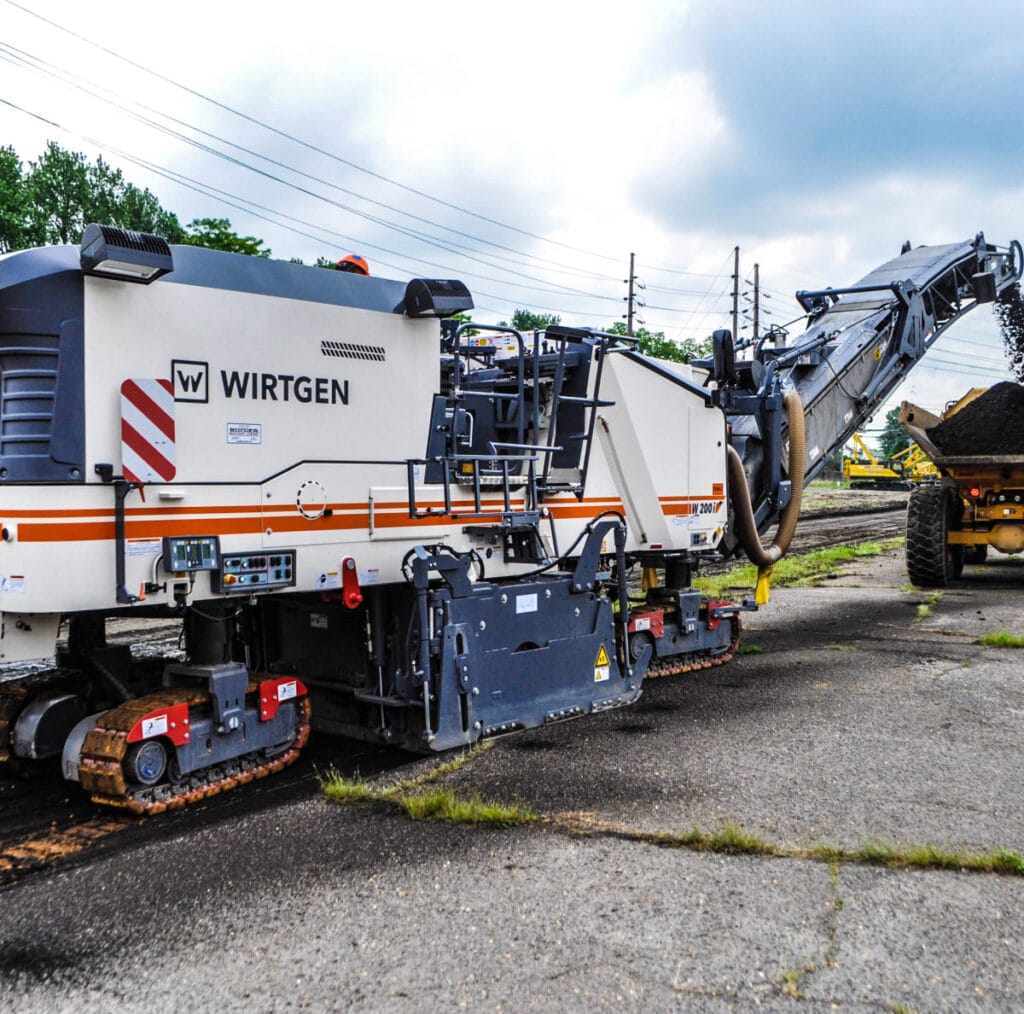
On a typical milling job, Precision Asphalt Lubbock brings in a cold planer (milling machine) sized to your site. For a grocery store or medical office parking lot, we usually use a half lane or smaller machine so we can work between parked areas and keep part of the lot open. For county roads and industrial yards, we run larger mills for speed and efficiency.
The milling drum is fitted with hardened teeth that cut and grind the existing asphalt to a set depth, usually between 1 and 3 inches for surface corrections. For deeper failures or rutting from heavy truck traffic, we may mill 4 inches or more in targeted lanes. Our operator constantly adjusts speed and drum height to produce a uniform profile without gouges. Automatic grade controls and laser or string line references help us hold exact slopes toward inlets and away from buildings.
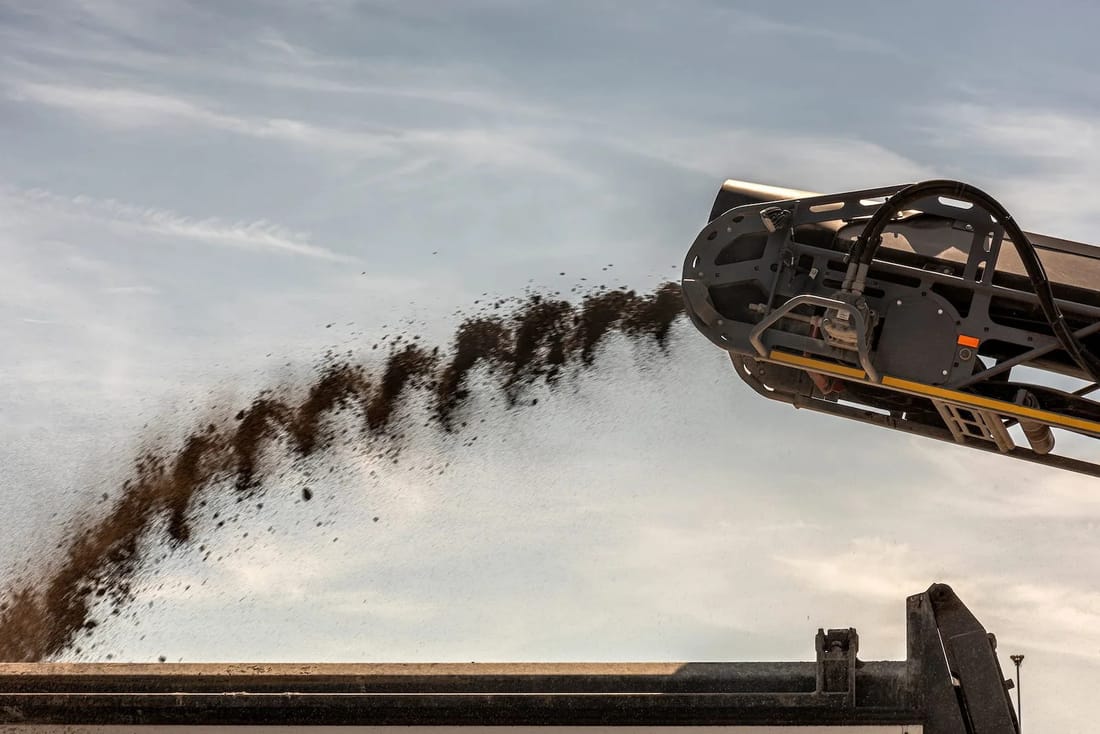
The ground asphalt (millings) is immediately conveyed into dump trucks that shuttle material to a stockpile or to be blended into new asphalt at the plant. We then sweep the surface thoroughly with mechanical brooms and, if needed, compressed air so there is no loose material left that could weaken the bond with the new overlay.
After milling, we reinspect the exposed base. If we see pumping fines, soft spots, or moisture trapped in certain areas, we will recommend undercutting and base repair before new asphalt goes down. This step is critical in Lubbock, where clay subgrades and poor drainage can cause movement if they are simply paved over again.
Full Depth Reclamation and When It Makes Sense
Asphalt reclamation, often called full depth reclamation (FDR), goes deeper than milling. Instead of just removing the top layer, we use a reclaimer to pulverize the existing asphalt and a portion of the base material, then blend it all together in place. This is often the best option for farm to market roads, older industrial yards, and rural drives around Lubbock where the pavement has deep cracking, structural failures, or severe base problems.
With FDR, we typically process 6 to 12 inches of material in one pass, depending on traffic loads and how the existing section was built. A grading crew follows the reclaimer to shape the mixed material to the correct crown or cross slope, then we compact it with vibratory rollers until it reaches the density we specify. In some cases we add cement or other stabilizers, usually 2 to 4 percent by weight, to create a stronger base that resists moisture and rutting.
This approach eliminates the cost of hauling out tons of old asphalt and importing large amounts of new base. It also allows us to correct long standing issues like low shoulders and ponding water, because we can regrade the full structure instead of being locked to the original profile. Once the reclaimed base cures and passes density checks, we place new hot mix asphalt on top, usually in one or two lifts depending on expected loading.
Project Steps From First Visit to Finished Pavement
Every asphalt milling or reclamation job with Precision Asphalt Lubbock follows a clear process so you know what to expect and how long your pavement will be out of service.
1. Evaluation and coring. We inspect the surface, check cracking patterns and rutting, measure thickness where possible, and if needed take cores to see the actual pavement and base structure. This helps decide between milling, reclamation, or full replacement.
2. Scope and phasing. For businesses, schools, and churches in Lubbock, we often phase the work. For example, we may mill and pave half a parking lot at a time so you always have customer parking. We schedule around busy days and delivery times whenever possible.
3. Milling or reclamation operations. We mobilize the appropriate machine, set up traffic control following TxDOT and City of Lubbock guidelines where public streets are involved, and complete the milling or reclamation. Our crews pay particular attention to tie ins with existing concrete at entrances, dumpster pads, and sidewalks so there are no abrupt bumps.
4. Surface preparation and repairs. After milling, we proof roll and mark any soft areas for subgrade or base repair. With reclamation, we fine grade and compact the mixed base, then run density tests. Only when the base performs as expected do we move to paving.
5. Paving and finishing. We apply tack coat over milled surfaces, place new asphalt at the specified thickness, compact with a combination of breakdown, intermediate, and finish rollers, then stripe and apply pavement markings once the asphalt has cooled.
Cost Drivers and How We Control Your Budget
Asphalt milling and reclamation are often more cost effective than starting from scratch, but the final price still depends on several technical factors.
Depth and area are the largest drivers. Milling 1 inch off a neighborhood street is far less time and fuel than reclaiming 10 inches of base on a truck route. Precision Asphalt Lubbock calculates machine time, trucking, and asphalt tonnage based on accurate measurements rather than rough estimates, which helps you avoid change orders.
Access and phasing affect labor and equipment costs. Tight downtown Lubbock lots or sites in active shopping centers may require smaller machines, night work, or more detailed traffic control. We are very direct about these issues up front so you can see what each option costs and whether partial closures or off hours are worth the savings.
Material choices also influence the budget and performance. We can often reuse your millings in new base layers or as a driveway surface in less critical areas, which cuts disposal and material costs. For reclamation, adding cement or other stabilizers costs more initially but can prevent future rutting on heavy truck routes, which saves money over the life of the pavement.
Finally, hidden base failures can change scope. To reduce surprises, we look for signs such as pumping water through cracks, severe alligator cracking, and uneven settlement during the initial evaluation. We build allowances into the proposal for a reasonable amount of base repair, then communicate immediately if field conditions differ from what was visible at the surface.
Local Conditions, Drainage, and Regulations in Lubbock
Lubbock’s combination of hot summers, occasional winter freezes, and wind driven dust creates unique pavement challenges. Intense UV exposure oxidizes asphalt binders, so the top layer becomes brittle long before the base fails. Milling is a highly effective way to remove this brittle surface and replace it with fresh asphalt that can flex with temperature swings.
Clay rich soils in parts of Lubbock and surrounding rural areas expand when wet and shrink when dry. This movement shows up as longitudinal cracks and uneven surfaces. In these cases, Precision Asphalt Lubbock often recommends reclamation with stabilization instead of repeated overlays. By mixing the asphalt with the upper base and stabilizer, we create a more rigid foundation that better resists seasonal movement.
Drainage is another critical factor. Many older lots and streets around Lubbock were built without adequate cross slope or inlets. When we mill, we can change the pavement profile slightly to push water toward existing drains or create new flow paths. On reclamation projects, we have even more freedom to correct standing water problems that have been there for years.
From a regulatory standpoint, private parking lots and driveways usually fall under City of Lubbock development and drainage requirements if they are part of a permitted site plan. Public streets and some commercial sites may also require coordination with City engineering or TxDOT. We are familiar with local specifications for asphalt mixes, compaction targets, and patching details, and we can provide documentation or test results if your engineer or HOA requests them.
Choosing Precision Asphalt Lubbock for Milling or Reclamation
If your pavement has widespread cracking, rutting, or drainage problems, but you suspect the whole structure is not completely failed, asphalt milling or reclamation may be the right solution. The key is choosing a contractor that understands when each method makes sense and has the equipment and crew experience to execute safely and efficiently.
Precision Asphalt Lubbock owns and operates our milling and reclamation equipment rather than relying entirely on rental machines or out of town subcontractors. This lets us control schedule, adjust to weather, and respond quickly if you need changes once the work begins. Our crews are accustomed to working around active businesses, schools, churches, and agricultural operations, and we plan staging so your access is maintained as much as possible.
Before we recommend any scope, we walk the site with you, discuss how the pavement is used today, and ask about future changes such as heavier trucks or new buildings. That information guides decisions about milling depth, whether reclamation with stabilization is warranted, and how thick the new asphalt should be. Our goal is to give you a surface that matches how you truly use it, not just what is easiest to bid.
If you are in Lubbock or the surrounding area and want a clear, technical explanation of your options, Precision Asphalt Lubbock can evaluate your asphalt, explain where milling or reclamation fits, and provide a detailed plan and cost breakdown before any machines touch the pavement.